
I Broke the Rules… and All I Got Was Hollered At!
- Nov 21, 2025
- 3 min read
Ever wonder why some consequences work and others fall completely flat?
Maybe you’ve sent your son to his room for misbehaving—only to find him 20 minutes later happily conquering level four of his favorite video game. Or perhaps you told your youngest she’d miss a planned family outing, only to cave because babysitters are expensive and logistics are hard.
If this sounds familiar, you’re not alone. When we’re frustrated or rushed (which, let’s be honest, is most of parenting), we often choose consequences based on what’s easiest in the moment—not what’s actually effective. The result? Our discipline becomes just as impulsive as the behavior that triggered it.
So how do we fix this?
The Secret: Plan Ahead
The best consequences aren’t random—they’re intentional.
Spend a little time thinking through your child’s most common misbehaviors and decide ahead of time how you want to handle them. The magic word here is logical. A consequence should connect to the behavior in a meaningful way.
Here are a few examples of logical connections:
Problem: Playing video games instead of doing homework
Consequence: No video games for 24–48 hours
Problem: Refusing to wear a seatbelt
Consequence: No car rides to places they want to go
Problem: Teasing or hurting the family pet
Consequence: Clean up the pet’s yard messes or help with extra pet-related chores
Problem: Breaking or damaging property on purpose
Consequence: Earn the money to repair or replace it
Logical consequences are powerful because they make sense to kids. They feel fair. And when something feels fair, kids are more likely to learn from it.
What Makes a Consequence Effective?
Truly effective consequences have a few things in common:
They’re given quickly.
Especially for younger kids, the closer the consequence is to the misbehavior, the better.
They’re delivered calmly and confidently.
Not passive, not explosive—steady and firm.
They relate directly to the behavior.
Random consequences confuse kids; logical ones teach them.
They’re fair.
Big misbehavior = bigger consequence. But everything should still be reasonable.
They’re consistent.
If one day something matters and the next day it doesn’t, kids learn to roll the dice.
They teach—not punish.
The goal is learning and growth, not “getting even.”
Without that kind of structure, it’s easy to slip into patterns that feel like discipline but don’t actually work.
Common but Ineffective “Consequences”
Some of the things parents fall back on aren’t consequences at all—and they definitely don’t teach anything.
Yelling or Nagging
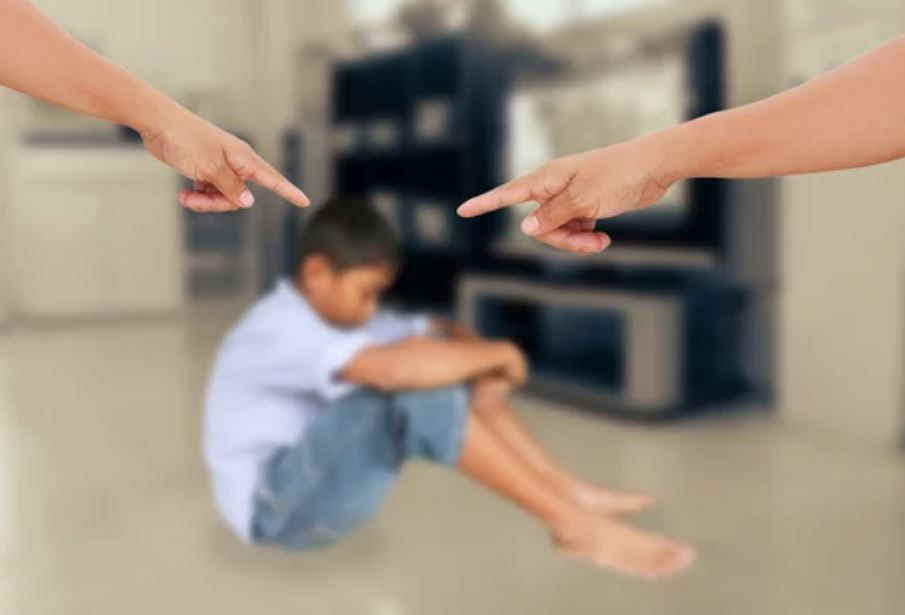
Kids have a superpower: selective hearing. Yelling usually becomes background noise, and nothing changes.
Shaming or Harsh Criticism
Not only is this ineffective, but it damages trust, creates embarrassment, and chips away at a child’s self-worth.
Vague Threats
“Cut it out or you’re gonna be in big trouble!”Big trouble… what does that even mean? Clear and specific wins every time.
Extreme or Emotion-Based Punishments
Grounded for three months because of a 15-minute curfew slip?We’ve all dished out an over-the-top consequence in the heat of the moment—but usually regret it later. It’s okay to take time to calm down and think. “I’ll let you know the consequence tomorrow” is a perfectly legitimate (and wise) parenting move.
The Goal: Teach, Don’t Tear Down
Consequences should be uncomfortable—sure. But they should never be humiliating or harmful. After a consequence, your child should walk away with two things:
Their dignity, and
A clearer understanding of what to do differently next time
That’s how discipline becomes growth—and how rules start to make sense rather than just feel like noise.


