The 4 H’s We All Want Our Kids to Have
- Chris Theisen
- Jan 16, 2025
- 4 min read

Updated: Nov 15, 2025
As parents, mentors, or guardians, we all want the best for the children in our lives. We want
them to grow up to be kind, strong, and successful individuals—whatever that success looks like for them. While there are many qualities that contribute to a well-rounded, fulfilling life, there are a few essential “H’s” that seem to shine above the rest. Let’s explore the four H’s we all hope for our kids to have, and we’ll even throw in a bonus one to complete the list.
1. Happiness
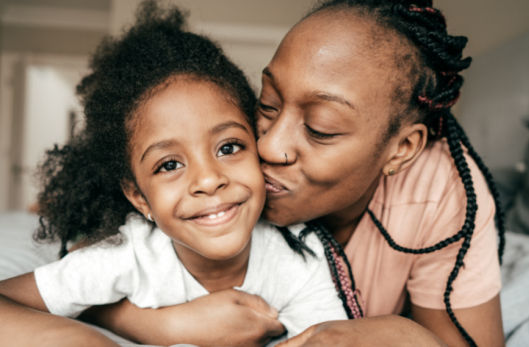
It might seem like an obvious one, but happiness is truly at the heart of what every parent desires for their child. The wish for our kids to experience genuine joy, satisfaction, and emotional well-being is universal. We want them to laugh, to feel a sense of accomplishment, to find joy in the simple things, and to have a positive outlook on life.
While happiness doesn’t mean living without struggles, the hope is that our children can learn how to navigate life’s ups and downs with resilience. More than just a fleeting emotion, true happiness for our kids comes from developing a deep sense of contentment, understanding, and emotional intelligence. The ability to smile through adversity, appreciate the present moment, and find beauty in the everyday is something we hope they carry with them into adulthood.
2. Humor
Laughter is, after all, the best medicine, and one of the greatest gifts we can give our children is the ability to find humor in the world around them. Humor doesn’t just make life more enjoyable; it also provides a powerful coping mechanism for dealing with stress, disappointment, and even failure. A child who can laugh at themselves, find the lighter side of difficult situations, and share joy with others will have a greater capacity to handle life’s challenges with grace.
Humor also fosters connection. Kids who know how to make others laugh, or who have a healthy sense of playfulness, often build stronger relationships. It encourages creativity, builds confidence, and strengthens resilience. Above all, humor can create an environment in which the people around them feel comfortable, valued, and understood.
3. Humility
In a world that often celebrates self-promotion and success at all costs, humility might seem like an undervalued trait—but it is, without question, one of the most important qualities we can nurture in our children. Humility is the ability to recognize that we are part of something bigger than ourselves, to acknowledge that we don’t have all the answers, and to appreciate the value and contributions of others.
Children who grow up with humility are less likely to feel entitled and more likely to approach others with empathy and respect. They understand the importance of collaboration, are willing to learn from their mistakes, and appreciate that life is not just about being the best, but about being a part of a greater community. Humility helps children develop strong emotional intelligence, foster kindness, and build healthy, respectful relationships.
4. Honesty
Honesty is the foundation of trust, and trust is the foundation of any successful relationship. Teaching our kids the value of being truthful, even when it’s difficult, helps them develop integrity and build strong, authentic connections with others. Honesty is about more than just telling the truth—it’s about living in alignment with one’s values, speaking up when something feels wrong, and not being afraid to express one's true self.
In a world that sometimes seems to reward manipulation, deceit, or embellishment, teaching kids to value honesty can feel like a tall order. However, it’s one of the most enduring gifts we can offer them. Children who practice honesty are more likely to build trust with their peers, their teachers, and their families. They also tend to have a greater sense of self-respect and are able to confront challenges with authenticity and confidence.
Bonus H: Hope
While happiness, humor, humility, and honesty are undeniably important, there’s one more H that can transform a child’s life in ways that few others can: hope. Hope is the belief that the future holds something better, that despite setbacks, there is always room for improvement, growth, and renewal.
When children are taught to have hope, they are given the tools to envision a positive future, set meaningful goals, and persevere even when life gets tough. Hope is what keeps kids going when they face obstacles, what fuels their dreams and aspirations, and what gives them the courage to take risks and try again after failure. It’s the belief that anything is possible, that they have the power to create change, and that every day holds new opportunities.
In many ways, hope is the glue that holds all the other H’s together. Without hope, happiness can feel fleeting, humor may turn into cynicism, humility could fade into despair, and honesty may be overshadowed by doubt. Hope is the quiet force that empowers children to dream, grow, and thrive.
In Conclusion
As parents and caregivers, we wish for our children to be happy, humorous, humble, and honest—and to cultivate the hope that fuels their dreams. These qualities are not only vital to their personal growth but also to their relationships with others and their overall well-being. By fostering these traits, we help our kids build a strong foundation for a life that is not only successful but meaningful, joyful, and rich in connection.
So, let’s hold on to these 4 H’s (plus that bonus one) and continue to guide and support our children as they develop into the best versions of themselves. After all, it’s not about perfection—it’s about the journey, the laughter, and the hope that we give them along the way.